
10-Minute Evening Wind-Down Routine for Better Sleep

I’ve never been a good sleeper. As a kid, I’d hear my sister’s breathing even out across the room while I was still counting cracks in the ceiling. Not much changed as an adult. I’d climb into bed exhausted and somehow still be scrolling at midnight, wired for no reason I could name.
I spent a few years cycling through fixes — a weighted blanket, a white noise app, one memorable week of no caffeine after noon that mostly just made me miserable during the day. What finally worked wasn’t a product. It was building a short evening wind-down routine I could actually stick to, most nights, without it feeling like homework.
You can’t jump straight from answering emails to falling asleep. There has to be something in the middle, some short stretch of time that tells your body it’s safe to slow down. That’s what this routine is: ten minutes, four small steps, nothing that takes willpower you don’t have left by 10pm.
Why an Evening Wind-Down Routine Matters
Your nervous system doesn’t switch from “on” to “off” on command. It needs a cue, and a consistent one, at roughly the same time each night, works better than any single trick on its own. That’s the whole logic behind this routine: four small, repeatable signals your body learns to recognize as “time to rest.”
Minutes 1–3: Cut the Noise, Reset the Space
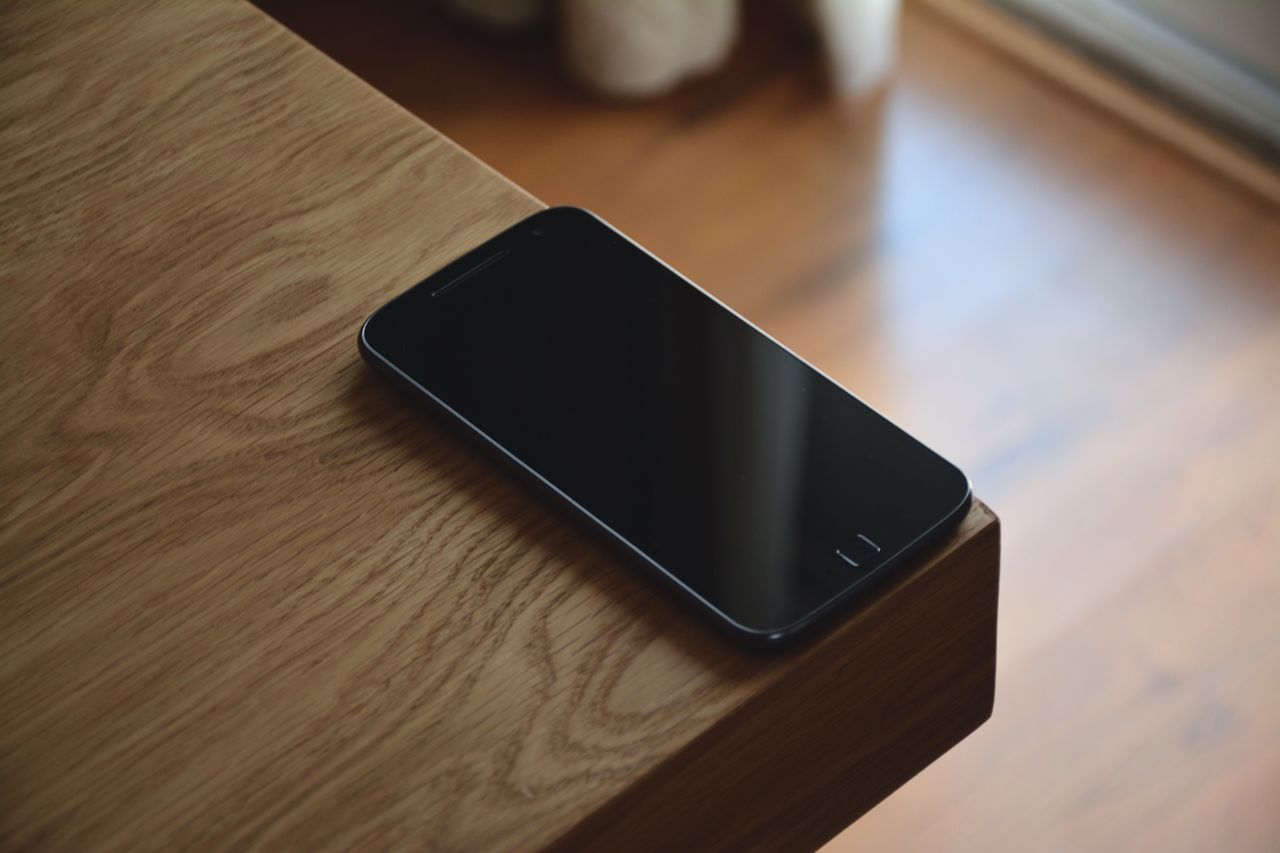
Start with the two things most likely to keep your brain switched on: screens and clutter.
Put your phone somewhere you can’t reach it. Face down across the room, in a drawer, wherever stops you from checking “just one thing.” If it’s your alarm, set it now so you’re not opening the app again at 11:47pm.
Turn off the overhead light. A warm lamp or a dim reading light reads as evening to your body. A bright ceiling light doesn’t, no matter what time it actually is.
Clear one surface. Just one. Your nightstand, or the chair with three days of clothes on it. You’re not cleaning the room, you’re clearing the visual noise your eyes keep snagging on.
Minutes 4–6: Get It Out of Your Head
Most nighttime overthinking has less to do with the actual problem and more to do with the fear of forgetting it by morning. A notebook solves that faster than almost anything else I’ve tried.
Keep a small notebook and pen on your nightstand. Spend two minutes writing down whatever’s circling: the three things you actually need to handle tomorrow, one small task you keep almost forgetting, and whatever’s sitting heavy on your chest, even if it comes out in half-sentences.
Once it’s on paper, something loosens. You’ve told your brain the information is safe somewhere else now, so it can stop running laps around it.
Minutes 7–8: Loosen Your Body Too

Tension builds in the body just as much as the mind. Two minutes of gentle movement often does more than another ten minutes of lying still, willing yourself to relax.
Child’s pose, one minute: kneel, fold forward, arms stretched out, forehead resting down. Breathe slowly into your back.
Knees to chest, one minute: lie on your back, pull your knees in, rock gently side to side to release the low back.
Keep the breathing slow: in through the nose, longer out through the mouth.
Minutes 9–10: Slow Your Heart Rate Down
By now the room is dim, your thoughts are on paper, your body’s a little looser. Finish with three rounds of 4-7-8 breathing: inhale through your nose for 4 seconds, hold for 7 seconds, exhale through your mouth for 8 seconds, slow enough to hear it.
This is the part that does the real work. Slowing your exhale like this is one of the more reliable paced-breathing techniques for bringing your heart rate down before sleep.
Make This Evening Wind-Down Routine Your Own
None of this has to be followed exactly. Swap what doesn’t fit. Not a journal person? A 30-second voice memo works, or just naming three things you’re glad happened today. Not in the mood to stretch? A slow hand-cream massage or a few neck rolls does something similar. The 4-7-8 count feels rigid? Try box breathing instead: 4 in, 4 hold, 4 out, 4 hold.
What matters isn’t the exact order. It’s giving your body the same quiet cue, most nights, that the day is actually done.
If You're Still Awake After 20 Minutes
Don’t lie there watching the clock — that usually backfires. Keep the lights low, stay off your phone, and read a few pages of an actual book until you feel sleepy again. Getting up for a few minutes is fine. Getting frustrated with yourself is what really keeps you up.
FAQ
How long before 4-7-8 breathing actually does anything?
For some people it’s the first night. For others it takes a week or two of doing it consistently before it reliably helps. Give it more than one try before deciding it’s not for you.
Can I do this evening wind-down routine if I share a room, or don’t have much privacy?
Yes. Every step here can be done quietly and in low light without waking or disturbing anyone else.
What if I fall asleep partway through?
Good — go with it. You don’t need to finish all four steps for the routine to have done its job.