
Skincare Routine Order: The Easy Guide for Busy People
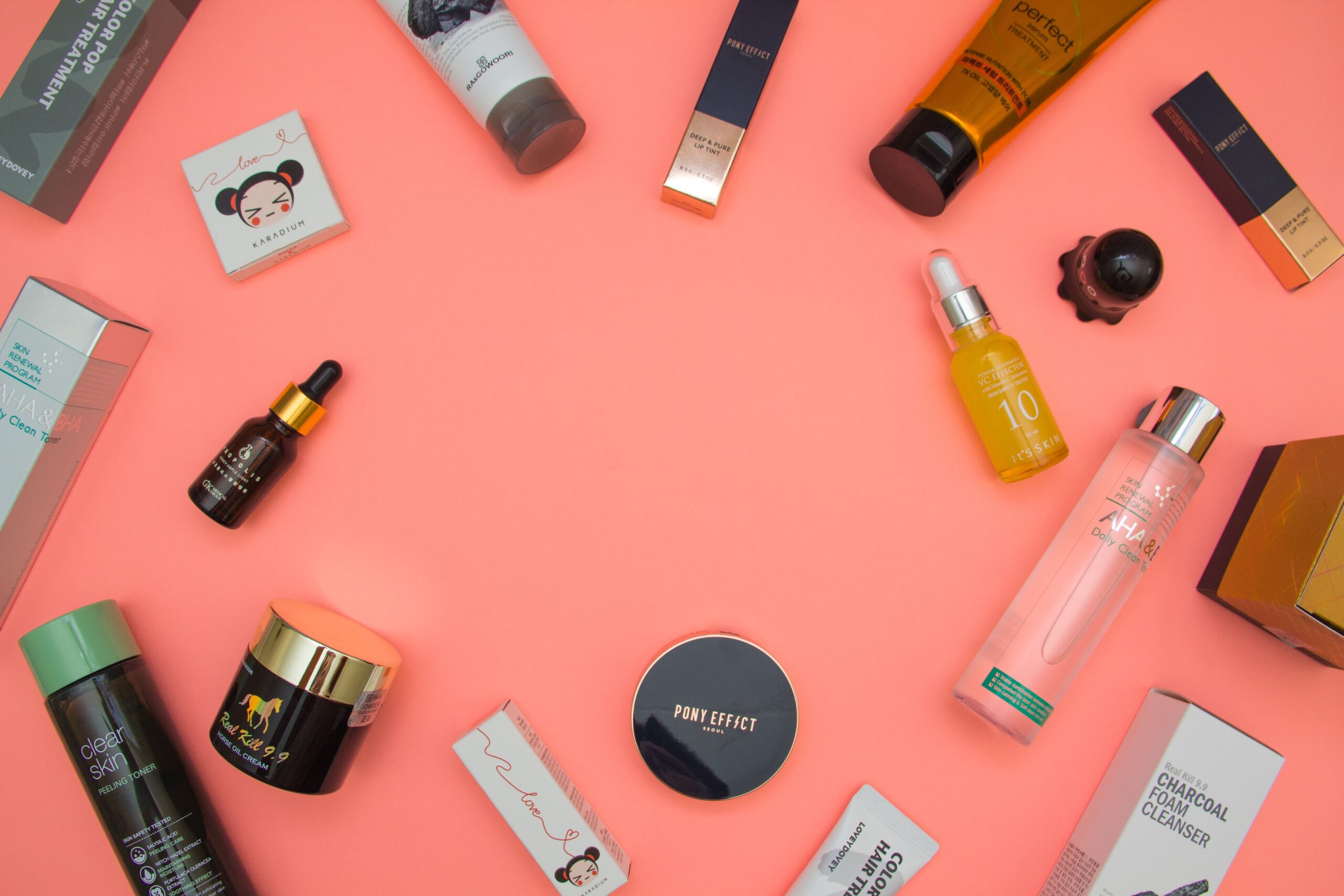
If you’ve ever bought a serum with the best of intentions and then let it sit half-used on your shelf, you’re not alone. Between work, kids, and everything else that fills a day, a strict 8-step routine just isn’t realistic for most of us. The good news? You don’t need one. You need to know what matters, what can wait, and in what order to apply your skincare products so each step actually makes sense.
Your skin deserves to be treated with care, even if “care” means five honest minutes a day instead of a complicated routine you’ll abandon by Thursday. And if something feels off with your skin, or you’re not sure what it actually needs, seeing a dermatologist can be more helpful than adding another trending product to your bathroom shelf. A professional can recommend a routine based on your skin rather than a generic list pulled from the internet — this article included.
Here’s another way to think about it: I’ll happily wear a plain, no-name T-shirt as long as the fabric feels good. I don’t need the logo or the price tag. But when it comes to my skin, I’m not quite as easygoing. Clothes can be replaced. Your skin deserves more thoughtful care. That doesn’t mean buying expensive products or following every skincare trend. It simply means being a little more deliberate about what you put on your face.
A Quick Note Before We Start
I’m not a dermatologist or a skincare professional, and I’m not here to tell you what your skin should need. I’m simply sharing what I’ve learned through my own experience as a woman who enjoys skincare and has found a routine that works for her.
My skin isn’t particularly sensitive or prone to major problems, so the advice I share here is mainly intended for people who are in a similar situation and are looking for simple, everyday skincare guidance — not for anyone dealing with a serious or persistent skin condition.
Skin isn’t one-size-fits-all. What works well for me may not work the same way for someone else, especially if you have very sensitive skin, allergies, a diagnosed skin condition, persistent irritation, or another concern that requires medical attention.
If that’s you, please don’t rely on a blog article to figure it out. A dermatologist is the right person to assess your skin and recommend products or treatments specifically for your needs.
What you’ll find here is simply my personal approach: practical, uncomplicated skincare for everyday life, without the pressure to have a perfect 10-step routine.
Skincare Routine Order: Start With the Lightest Products
When you’re wondering how to layer skincare products, texture is a useful place to start.
As a general rule, apply lighter, more watery products before thicker creams and oils. Serums and lightweight treatments usually go closer to the skin, while moisturizers and oils are designed to provide hydration and help reduce moisture loss.
But don’t treat “thinnest to thickest” as an absolute law. Formulas vary, and some products are designed to be used in a specific way. If the label gives you different instructions, follow those first.
The goal isn’t to create the perfect 10-step routine. It’s to put your products in an order that makes sense and that you can actually stick with.
The 'I Have Five Minutes' Skincare Routine Order
If complicated routines are the reason you keep giving up on skincare, start here.
You don’t need eight products to take good care of your skin.
Morning
- Cleanser — Optional depending on your skin. If your skin feels comfortable in the morning, you may simply rinse with water. If you wake up oily or prefer cleansing in the morning, use a gentle cleanser.
- Treatment or serum — Optional. If you use a lightweight serum, apply it after cleansing and before moisturizer.
- Moisturizer — If needed. Choose one that suits your skin and apply it after your lighter products.
- Sunscreen — Always the final skincare step. Use a broad-spectrum sunscreen and apply it according to the product’s directions.
That’s it.
A simple routine you actually follow is more useful than an elaborate routine that spends most of its time sitting unopened on your shelf.
Evening
- Cleanser — Remove sunscreen, makeup, oil and the day’s buildup with a gentle cleanser. If you’re wearing makeup or water-resistant sunscreen, you may need a first cleansing step followed by a second gentle cleanse.
- Treatment or serum — Optional. This is where products such as retinoids or other targeted treatments may fit, depending on the product instructions and your skin’s tolerance.
- Moisturizer — Help keep your skin comfortable and hydrated.
- Facial oil — Optional. If you enjoy using one and your skin feels dry, an oil can be your final step.
You don’t need every step every night.
What to Add When You Actually Need It
Once you’ve established the basics, you can start building out your skincare routine order with products for specific concerns.
Serum
A serum can target a specific concern such as hydration, uneven skin tone or signs of aging. Apply it after cleansing and before moisturizer when the product instructions recommend that order.
And no, you don’t automatically need to use every serum every day. The ideal frequency depends on the ingredients and formulation. Follow the instructions on the product, particularly when you’re using active ingredients.
Eye Cream
Eye cream is optional, not a requirement for having healthy skin.
If you enjoy using one, apply it according to the product directions, usually before your moisturizer. There’s no need to build an entire routine around having a separate product for every small area of your face.
Facial Oil
Facial oils are generally best used toward the end of your routine, particularly when you’re using one to help reduce moisture loss.
If your skin feels comfortable without an oil, skip it. More products don’t automatically mean better skin.
What About Retinol, Vitamin C and Exfoliating Acids?
This is where skincare routines can become unnecessarily complicated.
You don’t need to use every active ingredient at the same time.
For example, many people find it easier to use an antioxidant serum such as vitamin C in the morning and a retinoid at night. If you’re introducing retinol or exfoliating acids for the first time, starting gradually can also make it easier to see how your skin responds.
The important thing is to avoid turning your routine into a competition between active ingredients.
If you’re already using a retinoid, adding several exfoliating acids and other strong treatments at the same time may leave your skin irritated rather than giving you better results.
Start with one active ingredient, give your skin time to adjust, and add another only if you actually need it.
And remember: vitamin C and retinoids aren’t automatically “incompatible.” Separating them between morning and evening is simply a practical approach that many people find easier to tolerate and maintain.
If You Have Sensitive Skin, Keep It Simple
Sensitive skin doesn’t need more products in its skincare routine order. It often needs fewer.
Start with the basics: a gentle cleanser if needed, a moisturizer your skin tolerates well, and sunscreen during the day.
When introducing a new active ingredient, add only one at a time. This makes it much easier to tell which product is helping — or which one is causing irritation.
If your skin repeatedly burns, stings, becomes very irritated, or develops a persistent rash, stop experimenting with new products and consider speaking with a dermatologist.
A Few Things That Make Your Skincare Routine Order Easier to Actually Follow
Water-based before oil-based. Texture is a useful guide: lightweight, watery products generally go before heavier creams and oils.
You don’t need to use everything every day. Some treatments are designed for occasional use, and your skin may tolerate them better when introduced gradually.
Don’t add several new products at once. If you suddenly introduce five new products and your skin reacts, you’ll have no idea which one caused the problem.
Give your routine time. Skincare isn’t usually about seeing dramatic results overnight. A simple routine that you follow consistently is often more useful than constantly changing products.
Sunscreen belongs at the end of your morning skincare routine. It should be the final skincare layer before makeup, if you wear it.
What If You Only Have Time for Three Steps?
Then do three steps.
In the morning, that could mean:
Cleanse or rinse → Moisturize if needed → Sunscreen
At night:
Cleanse → Treatment if needed → Moisturize
That’s enough to create a realistic skincare routine order as a foundation. You can always add another product later if you have a specific reason to use it.
There is also a whole world of simple skincare ingredients that can be interesting to explore, including soothing options such as aloe vera. But “natural” doesn’t automatically mean better or safer for every skin type. If you’re curious about adding aloe vera to your routine, learn how it may benefit your skin and how to use it properly before making it part of your routine.
FAQ
Is a 3-Step Skincare Routine Really Enough?
For many people, yes. A simple skincare routine order built around cleansing when needed, moisturizing when needed, and daily sun protection can cover the basics.
Do I Need to Use My Serum Every Day?
Not necessarily. It depends on the serum and its ingredients. Follow the product’s instructions, especially if it contains active ingredients such as retinoids or exfoliating acids.
Should I Wait Between Skincare Products?
You generally don’t need to stand in front of the mirror for several minutes between every step. Allow a product to settle before applying the next one, particularly if applying another layer immediately causes pilling or discomfort.
What If My Moisturizer Feels Thinner Than My Serum?
Go by texture and the product’s instructions rather than the product category alone. If your moisturizer genuinely feels lighter than your serum, its place in your routine may be different from what you’d expect.
Can I Use Vitamin C and Retinol Together?
You don’t necessarily have to avoid both ingredients altogether. A simple approach is to use vitamin C in the morning and retinoids at night. This can make the routine easier to manage and may help reduce the chance of irritation from layering several active products at once.
When Should I See a Dermatologist?
If you have persistent irritation, a rash, significant or unexplained changes in your skin, or you’re struggling to figure out what your skin needs, professional advice is worth considering. A dermatologist can help you build a routine around your actual skin rather than relying on trial and error — the American Academy of Dermatology has more guidance on this if you want to dig deeper.
The Bottom Line
The best skincare routine isn’t necessarily the longest one. Getting your skincare routine order right is less about following every step perfectly and more about knowing what actually matters for your skin — that’s the whole point of a realistic skincare routine order.
Start with what your skin actually needs. Apply lighter products before heavier ones, introduce active ingredients gradually, and don’t feel guilty about skipping steps that aren’t essential for you.
If your routine takes five minutes and you actually do it every day, that’s a much better routine than ten products you use twice before forgetting about them.
Your skincare shelf doesn’t need to be full.
It just needs to contain products that make sense for your skin, your life, and your routine.
Pingback: Halloween Makeup Skincare: The Easy Way to Protect Your Skin Before and After